The Secret to Stuart Fails to Save the Universe Isn't the Multiverse
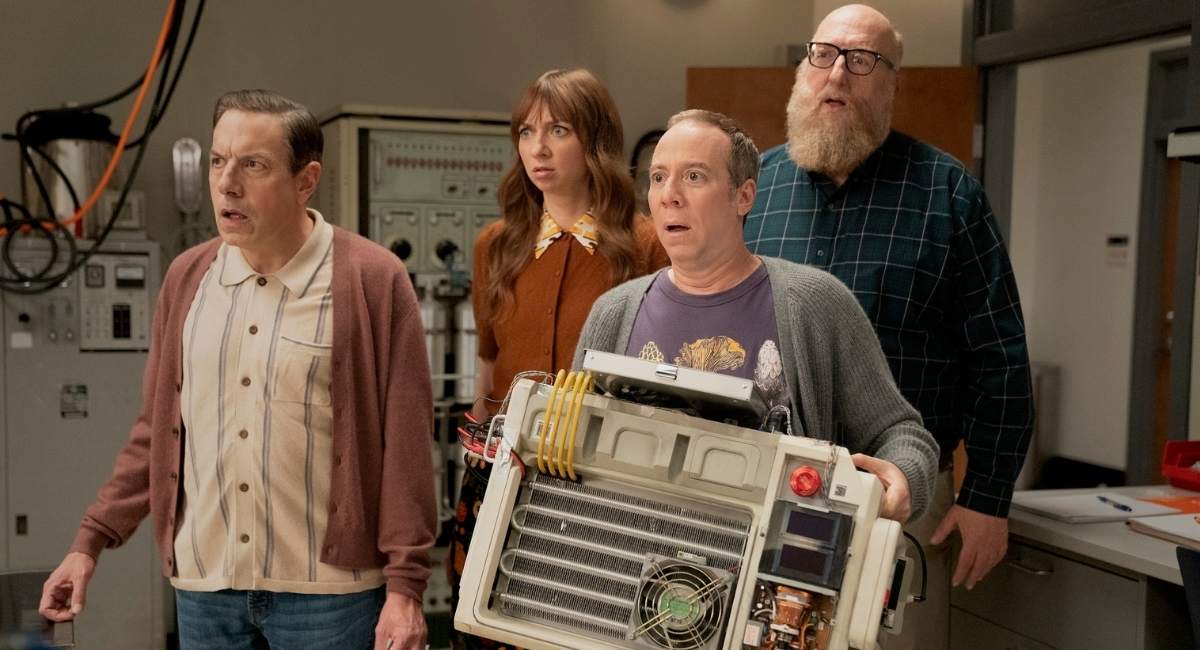
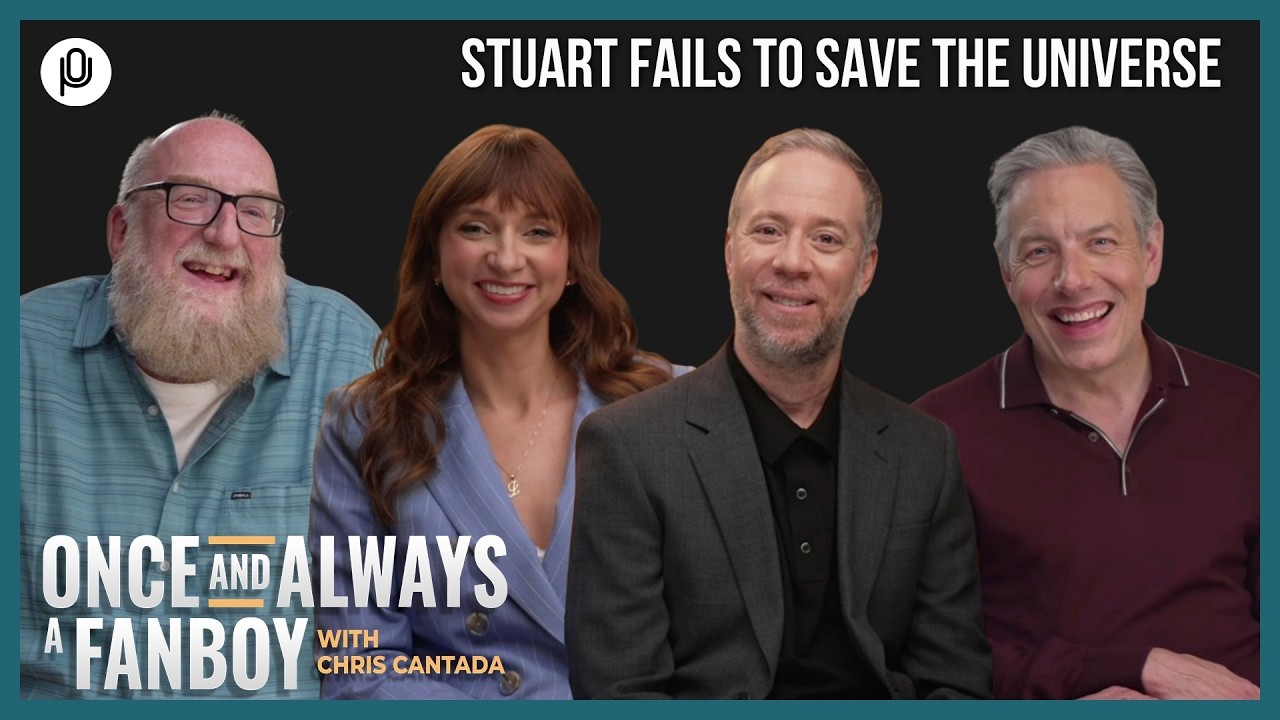
On the surface, Stuart Fails to Save the Universe looks like the most ambitious story the Big Bang Theory universe has ever attempted. There are alternate realities, dystopian landscapes, and a multiverse that pushes its characters into impossible situations. Yet after speaking with creators Chuck Lorre, Bill Prady, and Zak Penn, along with stars Kevin Sussman, Lauren Lapkus, Brian Posehn, and John Ross Bowie, one idea kept emerging: the spectacle only works because the characters never stop being themselves.
It begins with Stuart.
Chuck Lorre admitted that Stuart was chosen precisely because he's the least likely person to lead this kind of story, calling him "the worst possible choice to wear the hero's role." He described Stuart as "a good-hearted" but deeply insecure person, making his journey far more compelling than watching someone naturally suited for adventure.
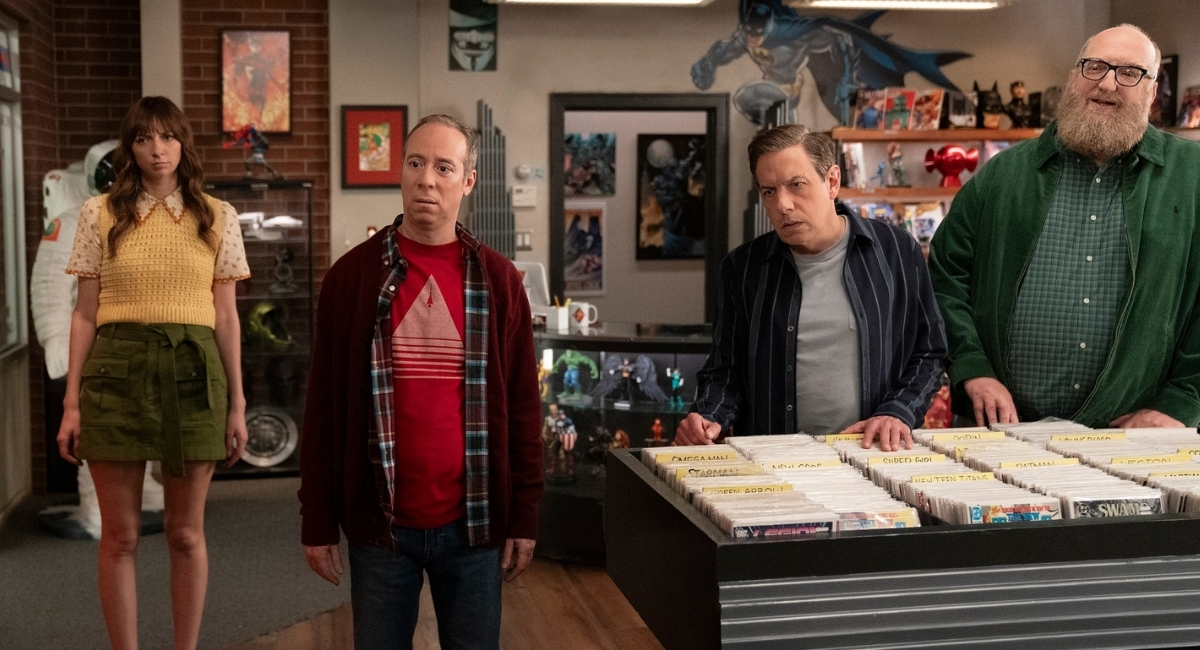
Kevin Sussman sees it the same way. For him, Stuart's comic shop has always been "his safe place," and the real premise of the series is that "he has to leave his safe space." Instead of transforming Stuart into a fearless hero, the show asks what happens when an ordinary person has no choice but to step forward.
That approach extends to the rest of the ensemble. Lauren Lapkus said the series doesn't reinvent Denise so much as reveal more of what was already there. She described Denise as "really strong" and "really levelheaded," explaining that the new adventure simply puts those qualities "to the test."
Bill Prady believes that's the rule the series never breaks. Regardless of which universe the characters enter, "these characters stay true to who they are and just have to deal with the universe they're in." The setting changes. The people don't.
Even the action follows that philosophy.
John Ross Bowie pointed out that the fight scenes weren't designed to make Bert and Barry look like seasoned heroes. Instead, they were choreographed as "people who didn't know how to fight fighting." He laughed that the experience felt like "two Buster Keatons trying to mess each other up." The comedy comes not from suddenly becoming action stars, but from remaining completely believable as themselves.
Interestingly, Zak Penn revealed that the creative team almost lost sight of that balance. His first pitch became "a sprawling sci-fi" story that was "really complicated," until Chuck Lorre pushed them to simplify it. The science fiction could be expansive, but it could never overshadow the people at its center.
That's what makes Stuart Fails to Save the Universe feel different from many multiverse stories. It isn't interested in turning supporting characters into larger-than-life heroes. Instead, it asks something far more relatable: what happens when ordinary people, with all their quirks, anxieties, and imperfections, find themselves at the center of an extraordinary story? The answer, fittingly, is that they don't become someone else. They simply become the best versions of who they've always been.
Watch the full Stuart Fails To Save The Universe interview.
Photos courtesy of HBO Max PH.

Chris Cantada is a Filipino musician, content creator, and podcast host. He began his career as the drummer for the rock band Sponge Cola, contributing to their first three albums, two of which went Platinum. He later built a strong online presence with his YouTube channel, Chris Cantada Force, showcasing cosplay fan films and creative storytelling, amassing over 1.6 million subscribers. Today, he hosts the Once and Always a Fanboy podcast, blending his love for music, film, and fandom culture.
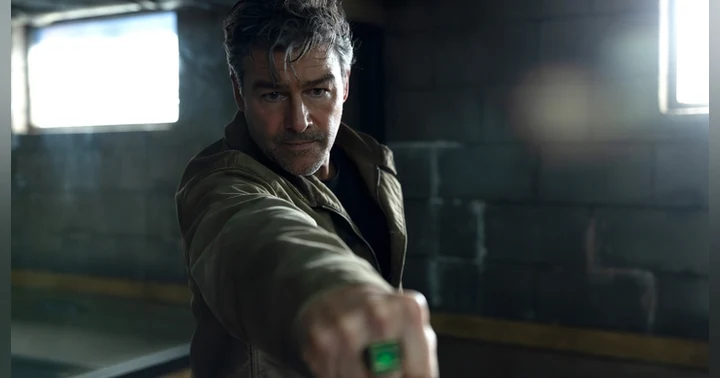
Kyle Chandler and Aaron Pierre on Finding Their Own Truth in Lanterns